The moment that worries parents
You ask your seven-year-old what story they want to write, what game they want to create, or simply what they thought of their day. Instead of bubbling enthusiasm, their shoulders drop, their eyes dart to the floor, and they whisper:
“I don’t know. You choose.”
— A common reflex when children fear making the wrong choice.For busy parents — especially those raising children across diaspora cultures where academic excellence and obedience are highly prized — this hesitation can feel alarming. We worry our children are losing their creative spark, becoming overly reliant on screens, or lacking independent confidence.
Why "just go and play" doesn't work
Telling a child with creative paralysis to “just use your imagination” is like dropping someone in the middle of an ocean and telling them to swim. An infinite canvas causes overwhelm. What developing minds need are low-stakes, playful constraints.
What overwhelms them
- “Draw anything you want on this blank page.”
- Expecting polished, correct answers right away.
- Replacing boredom immediately with a tablet or TV.
What sparks ideas
- Specific, silly micro-prompts with zero wrong answers.
- Celebrating weird, funny, and unconventional thinking.
- Short, 10–15 minute shared storytelling rituals.
Three no-prep prompts to try tonight
You don't need craft kits, glitter, or printouts to restart their curiosity engine. Try one of these three simple prompts during dinner or the walk back from school:
The Wonder Walk
Pick one everyday item you pass — a mailbox, a yellow door, or a strangely shaped cloud — and ask for one impossible secret about it.
Colours for Feelings
Bypass standard “How was school?” questions by assigning unexpected sensory shades to emotional moments.
The Kindness Story
Invite them into a mini mystery where an anonymous hero fixed something in secret.
Visual starter cards to explore together
If verbal questions feel too open-ended, pair them with simple picture cues. Here are three quick image card prompts to get ideas rolling:
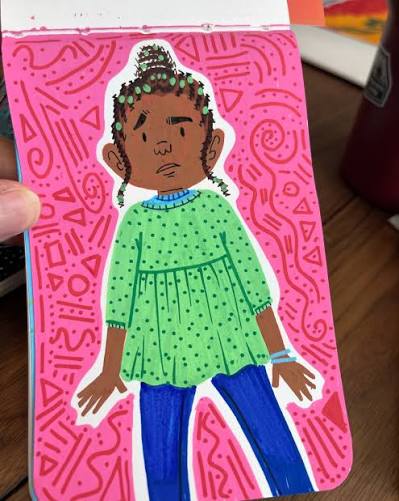
The Incomplete Doodle
Draw one squiggly line and let your child complete the creature, machine, or map.
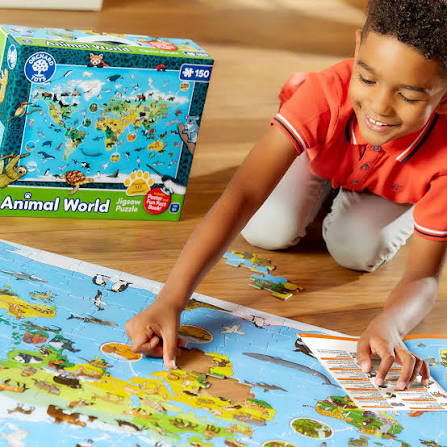
Secret Object Mission
Pick three household items and invent a fantastical device that solves a small daily puzzle.

The Mystery Ending
Pause a favourite bedtime story before the finale and invent two wild alternative endings.
Why it matters that they see themselves
When children only see heroes that look or live differently than their own families, they subconsciously edit their own lived experience out of their stories. When we invite diaspora kids to tell tales featuring jollof rice, plantains, grandmothers across oceans, or multilingual tongue-twisters, creativity shifts from an academic chore into self-affirmation.
Enrichment that fits real life
Creative confidence is not built through marathon weekend tutoring sessions. It is built in tiny, consistent micro-moments of shared wonder. Fifteen minutes before bed or during the evening commute is all it takes to transform “I don’t know” into “Listen to what I just imagined!”